


Preparing Your Ford For Colder Weather In Galveston
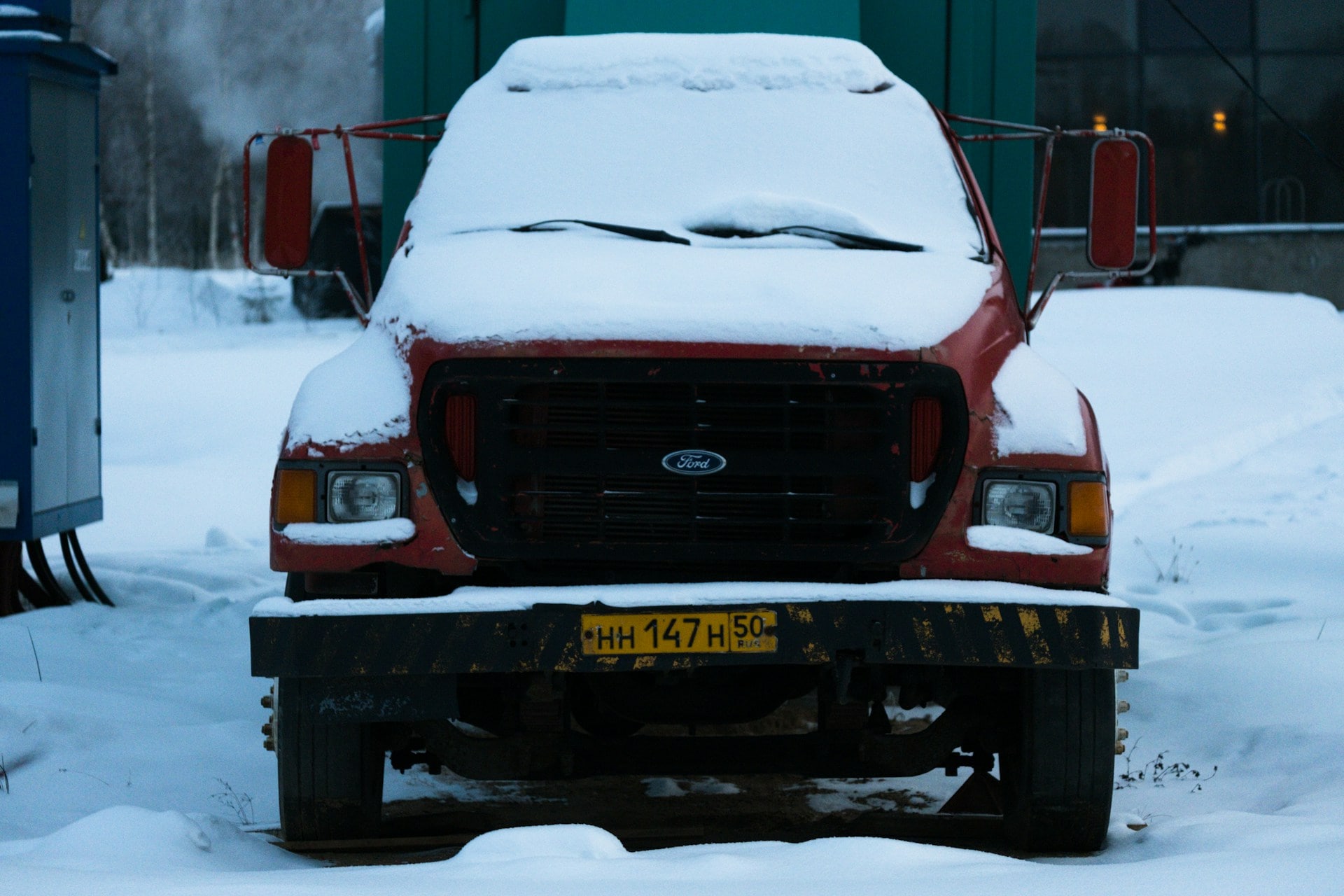
As the calendar rolls into November, Galveston may not see snow or ice every year, but that coastal chill can still take a toll on your vehicle. Salty air, damp mornings, and quick temperature swings can sneak up on your Ford if it's not prepped ahead of time. Even small changes like cooler nights and fall rain can affect the way your vehicle performs.
Getting your Ford ready before it starts actually feeling cold is a smart move. Once the winter season kicks in, it's harder to ignore warning signs. Staying ahead of problems like thickened fluids or a weak battery can help make sure your vehicle performs the same way it does during warmer weather. With a few focused checks and updates, your Ford can handle Galveston's changing weather without fuss.
Inspecting and Replacing Fluids
Cold mornings might feel refreshing, but your vehicle's fluids respond differently. As temperatures drop, oil thickens and coolant may start to work harder than usual. It’s easy to assume all is fine under the hood, especially since the Gulf breeze doesn’t always bring a harsh winter, but that’s when people tend to miss early signs.
Here are three kinds of fluids to keep an eye on before storms or colder stretches show up:
- Engine oil: Oil helps the engine run smoothly, but cooler air slows how it moves. If it’s old or worn out, it may not protect the engine the way it should. Fresh oil keeps everything moving and helps prevent wear when the engine starts on cold mornings.
- Coolant (antifreeze): This not only keeps your engine from overheating, but also guards against damage when temperatures drop. Galveston may not freeze often, but that doesn’t mean your cooling system can be ignored.
- Brake fluid: This plays a part in how responsive your brakes are. Moisture in the air can affect brake fluid performance during colder months. If you're noticing longer stop times or spongy pedals, it’s time to get it checked.
Fall is a good reminder to take care of these items. You don’t want to be stuck in traffic, notice steam from the hood, and realize it could’ve been avoided with a quick service. When in doubt, scheduling a fluid inspection can help keep things simple.
Battery Health Check
Batteries may work fine through hotter months, but those warmer temps can slowly wear them down. Then, once it gets colder, a weak battery tends to quit without much warning. You get in the driver's seat, turn the key, and hear nothing but clicks. That’s never a fun way to start the day.
Colder air slows chemical reactions inside a battery, so it won’t deliver power as easily. On top of that, more energy gets used by systems like the heater, defogger, and headlights, which puts even more pressure on the battery. If it’s already weak, winter may be the last straw.
Some signs point to trouble before the battery dies:
- Engine cranks more slowly than usual
- Dashboard lights dim when starting the car
- You’ve had to jump it more than once lately
Local weather can shift quickly, so checking early gives you peace of mind. It helps to test battery strength during a regular fall maintenance stop. That way, you don’t get surprised on a chilly morning or right before holiday travel. Even if your Ford starts normally now, it can still benefit from a quick check to make sure the battery doesn’t quit when you need it most.
Tire Maintenance for Winter
As temperatures start to dip, tire care becomes more important than many people realize. Cold air impacts tire pressure pretty quickly. You might set it perfectly one week, and the next it’s already dropped. That’s just how colder weather works. Low pressure doesn't just trigger the warning light, it also affects fuel usage, traction, and tire wear.
In Galveston, slick roads from rain, strong winds, and drops in temperature can all change how your tires perform. You want to make sure they're in the kind of shape that’ll keep you in control no matter what the weather throws your way. When tires are worn or underinflated, stopping can take longer, especially if the roads are wet or gritty from sand.
Here’s what to keep an eye on as the seasons shift:
1. Tread depth: Bald spots or shallow tread can be dangerous, especially on wet pavement. If your tires fail the penny test, that’s a warning sign.
2. Air pressure: Set tire pressure based on your vehicle’s manual, especially when it cools off. Many people run several PSI too low once fall rolls around without knowing it.
3. Tire condition: Cracks in the sidewall or signs of dry rot can sneak up if you don’t look closely. These usually get worse with cold and moisture.
4. Proper balance and alignment: If your car pulls to one side or the steering feels shaky, alignment could be the cause. These issues are even easier to notice when roads are damp or uneven.
Even though Galveston isn’t known for icy roads, local conditions still shift in a way that puts extra demands on your tires. It takes just one cool front and some rain for those corners to feel sharper and your tires to grip a little less. Fall is a great time to start with a full inspection to see if you're set for what’s ahead.
Wiper Blades and Washer Fluid Readiness
Rain plays a big part in winter driving along the Gulf Coast. That salty humidity combined with cooler rain can fog up your windshield fast if your wipers or washer system aren’t doing their job. Visibility matters more than people think, especially on long drives or early commutes when morning fog sets in.
Wiper blades wear out faster than most car parts due to constant sun exposure. If they streak, skip, or squeak, that’s a red flag. Once winter hits, blades that don’t lay flat or leave behind lines can make it harder to see, even when they're running at full speed. It’s especially frustrating during a sudden downpour or when sand or debris splashes up from passing traffic.
Here are a few tips as you check your windshield care system:
- Replace blades if they’re dry, cracked, or starting to peel. Even minor damage leads to poor performance in cooler rain.
- Fill your washer fluid with something rated for colder temps. Standard mixtures might freeze up or become too slushy to spray properly.
- Make sure nozzles aren’t clogged or aimed in odd directions. Gunk can build up and stop the fluid from hitting the glass where you need it.
- Turn the system on during a warm day to make sure both blades and fluid deliver as expected.
Galveston doesn’t see a lot of icy buildup, but overnight chills and winds can make it likely for windshields to fog more often. A clear view out of the vehicle isn’t just about comfort. It’s directly tied to how well you react to other drivers or obstacles in rougher weather.
Keeping Your Ford Winter-Ready in Galveston
Chilly weather doesn’t have to be harsh for your vehicle to start slipping out of its comfort zone. Even in Galveston, where snow is rare, the combination of damp air, temperature drops, and seasonal changes makes a difference in how your Ford runs and handles. When you're ahead of the curve and take time to prep early, you're less likely to run into stress on the road.
Between the fluids, the battery, the tires, and even your windshield system, every part plays a role in making sure your vehicle is ready for the season. Small check-ups now help keep the bigger issues away later. And when the unexpected does hit, like a stretch of storms or a sudden cold snap, you'll be glad your Ford’s already prepared. Just like packing a jacket before a cool front moves in, taking simple steps to get your vehicle winter-ready is one decision that pays off when the weather turns.
To make sure your Ford is set for cooler weather and keeps running like it should, schedule a Ford service in Galveston at Classic Ford Galveston. Our techs can check everything from your battery to your tire pressure, giving your vehicle the attention it needs before winter settles in. Stay ahead of the season by giving your car a little extra care now.
Categories:
News